
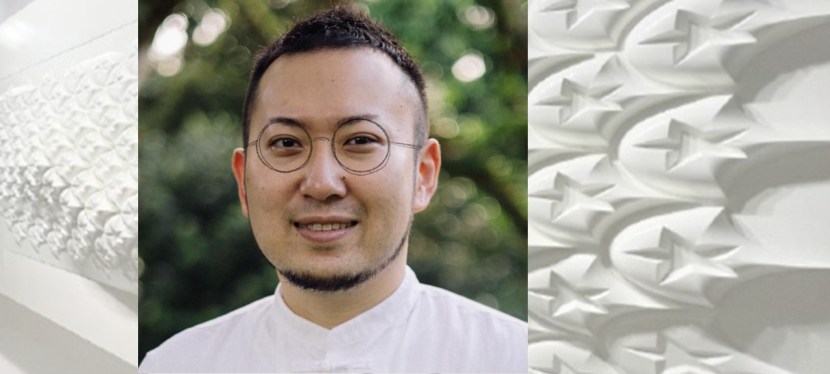
Tatsuhiro Kurafuji is a Japanese artist, Singapore-based, whose practice moves between myth, ecology, and material imagination, reviving local histories through an intimate dialogue with nature. Joining Studio 88 Artist Residency in April–May 2026 as part of Reviving Nature 2026, he brings a research-driven approach that listens closely to the land—its breath, memory, and unseen rhythms. Rooted in animism and shaped by years of observing how landscapes “desire” and transform, his proposed project in Doi Saket explores the translation of environmental sound into sculptural form, where voiceprints of nature become living, breathing objects.
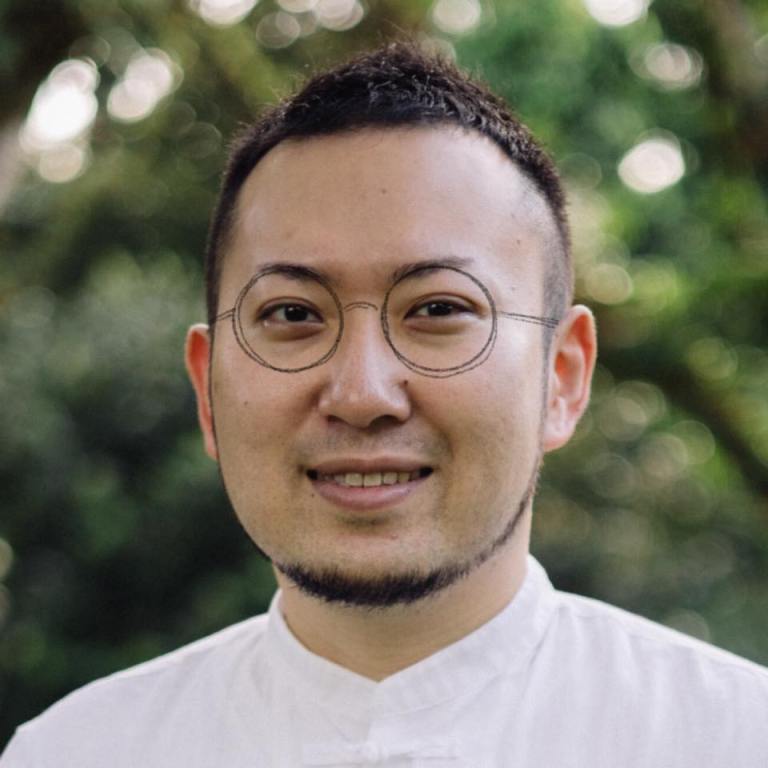
After thirteen years as a brand director at Procter & Gamble, Kurafuji shifted his focus from shaping human desire to studying how landscapes themselves desire, breathe, and remember. His practice unfolds through field-based research, ecological observation, oral narratives, and material experimentation, often re-animating sites where industry and myth intersect. In Sado, he reimagined a mountain’s greed through a monumental gold-tanuki balloon; in Rokko, a mirrored tiger cuts through imagined rings of the mountain, merging personal memory with regional history. Across these works, there is a persistent sensitivity to transformation—how stories, places, and beings evolve over time.
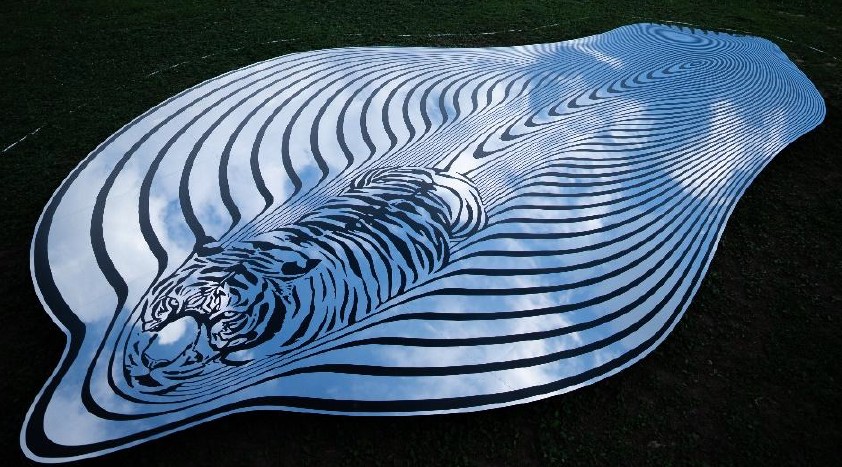
His recent works reflect an ongoing inquiry into animism and regeneration. The Thing Inside the Belly (2025), a large-scale balloon installation and animation, draws from the history of gold mining on Sado Island, transforming the figure of the “tanuki” into a contemporary fable—humorous yet unsettling, absurd yet strangely tender. The Tiger Swimming Through the Rings of Rokko (2024) captures a fleeting intersection between personal narrative and landscape, while The Snake That Cannot Shed Its Skin Will Die (2025) embodies a philosophy of continual renewal, where transformation becomes both necessity and survival. Through these works, Kurafuji creates forms that feel alive—breathing, shifting, and holding memory within their surfaces.
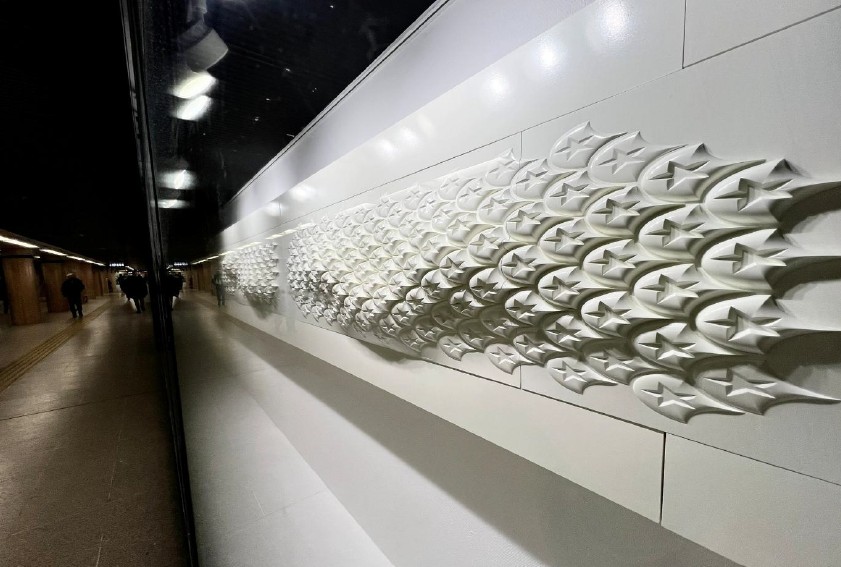
During his residency at Studio 88, Kurafuji’s project, Listening to the Spirit of the Land — Animistic Voiceprints as Regenerative Sculpture, extends this inquiry into the sonic dimension of place. Approaching Doi Saket as a living entity, he will gather environmental recordings—water flowing through irrigation channels, wind across rice fields, insects at dusk, and the subtle vibrations of soil and plants. These sounds will be analysed into “voiceprints,” patterns of frequency and rhythm that function as acoustic fingerprints of the landscape. Through 3D modelling, these voiceprints will be transformed into sculptural geometries—forms resembling shells, organs, or quiet habitats, as if grown rather than designed.
Grounded in animistic traditions where natural objects hold memory and spirit, his process seeks to regenerate an intuitive relationship between people and place. Rather than producing a fixed final artwork, the residency will culminate in a living archive: a collection of recordings, research materials, and sculptural prototypes that breathe with the land’s invisible energies. In this way, Kurafuji’s practice does not simply represent nature—it listens, translates, and gently collaborates with it.
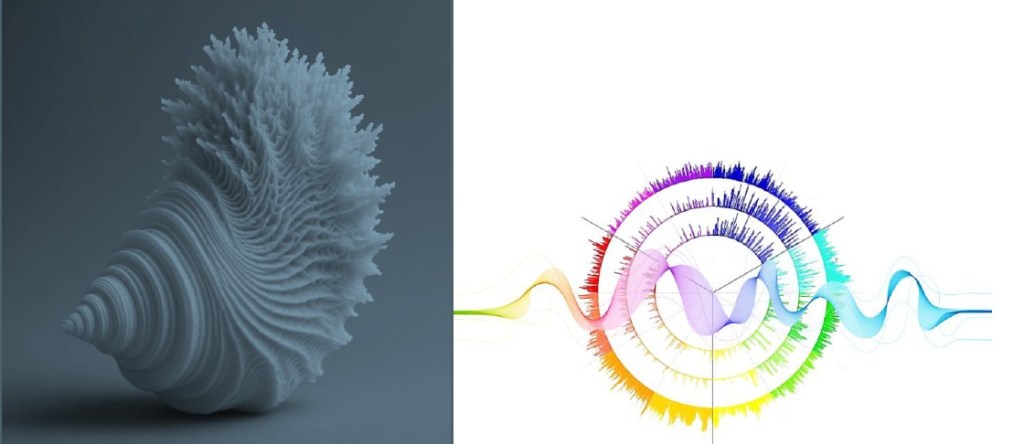
The residency period will therefore focus on fieldwork, listening practices, spectral analysis, and material prototyping using biodegradable or natural fibres. The outcome will not be a final artwork but a research archive, sound library, and a series of breathing sculptural prototypes that honour the land’s invisible energies.
More about Tatsuhiro Kurafuji on his Instagram.
Studio 88 accepts applications on an ongoing basis. Check out our residency program and apply now.

