

Mauricio Montiel Figueiras is a Mexico-based writer whose multifaceted literary practice moves fluidly across prose fiction, essays, poetry, translation, editing, and cultural criticism. The author of numerous acclaimed books across multiple genres, he is known for his formally inventive narratives and deep engagement with themes of solitude, memory, and displacement. He is Artist-in-Residence at Studio 88 in January-February 2026.
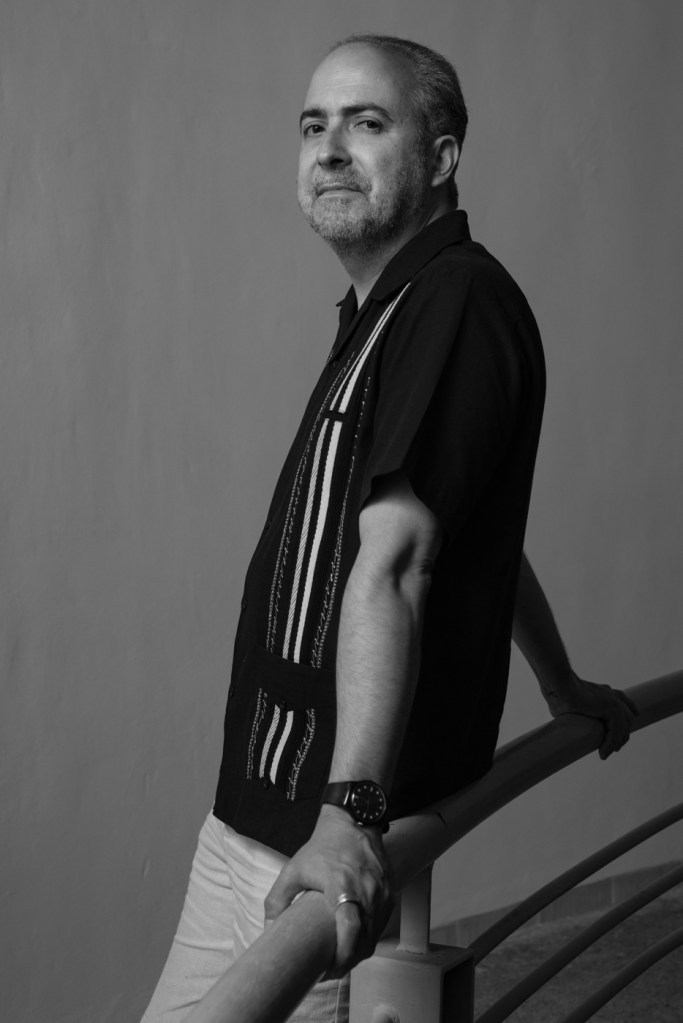
Born in Guadalajara and living in Mexico City since 1995, Montiel Figueiras has built an internationally recognized body of work distinguished by its formal experimentation, emotional precision, and sustained inquiry into solitude, memory, and the fractures of personal and collective history. His writing engages the interior lives of his characters while remaining deeply attentive to the social, political, and psychological forces that shape them.
Over the course of his career, Montiel Figueiras’s work has been widely published across the Americas and Europe, appearing in literary magazines and newspapers in Argentina, Brazil, Canada, Chile, Colombia, Cuba, Italy, Peru, Spain, the United Kingdom, and the United States. In the U.S., his fiction has been featured in respected journals such as Catamaran Literary Reader, Chicago Quarterly Review, Fiction, Mexico City Lit, and The Portable Museum. His writing is marked by a careful balance between narrative clarity and poetic intensity, often blurring the boundaries between genres to create spaces of resonance and ambiguity.
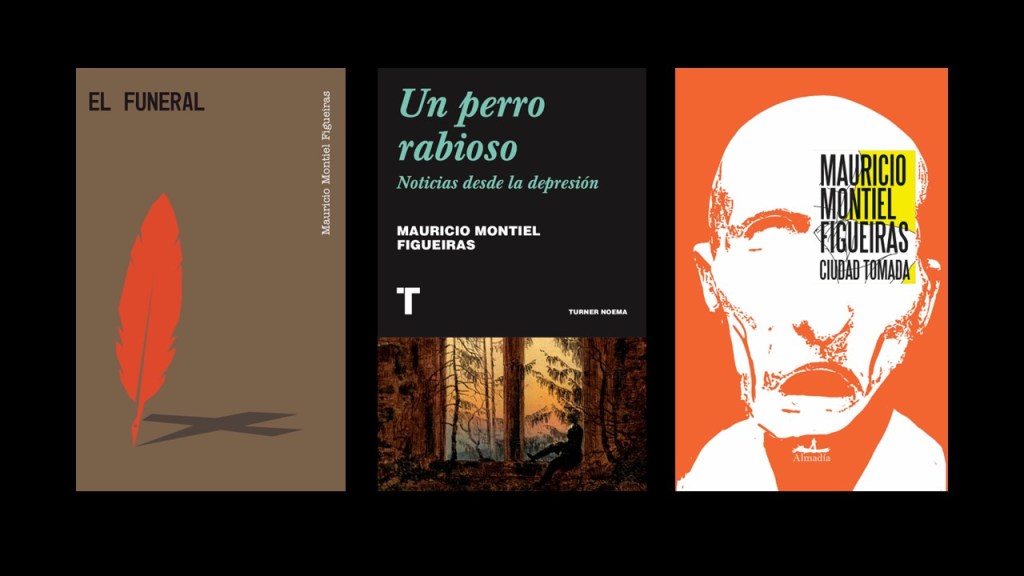
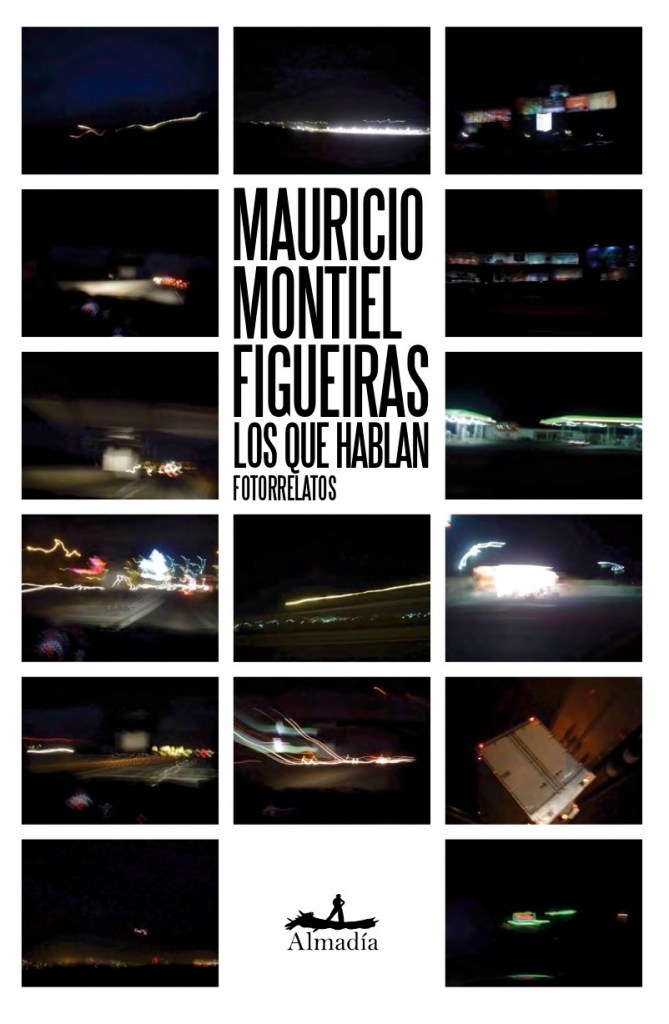
He is the author of numerous acclaimed books across multiple literary forms. His recent publications include La mujer de M. (The Woman of M., novella), Ciudad tomada (City Taken Over, short stories), Los que hablan. Fotorrelatos (The Ones Who Speak: Photostories, a hybrid work of fiction and photography), La piel insomne (The Sleepless Skin, short stories), Un perro rabioso. Noticias desde la depresión (A Rabid Dog: Dispatches from Depression, memoir), Siempre tendrán hambre las sombras (Shadows Will Always Be Hungry, microfiction), Cuaderno del sur (Southern Log, poetry), El funeral (The Funeral, novel), and Señor Papas (Mister Chips, children’s book). From 2011 to 2020, he also undertook an ambitious long-form experiment in digital storytelling through a Twitter novel titled The Man in Tweed, further demonstrating his interest in form, voice, and narrative constraint.
Montiel Figueiras’s contributions to literature extend beyond his own writing. He has served as editor in chief of several cultural magazines and literary supplements, and he has written extensively for major Mexican publications, including Letras Libres and El Universal. He is a founding member of the independent publishing label Los Libros de Caronte and its associated cultural management company, through which he has organized literary, journalistic, and technology-focused conferences for institutions across Mexico. From 2015 to 2017, he served as National Coordinator of Literature for Mexico’s National Institute of Fine Arts, reflecting his longstanding commitment to literary advocacy and cultural leadership.
His international profile is further reinforced by a series of prestigious writer residencies. He has been Resident Writer at the Cheltenham Festival of Literature in England, the Bellagio Study and Conference Center in Italy, the Hawthornden Retreat for Writers in Scotland, and the Saari Residence in Finland. These experiences have deeply informed his practice, allowing him to work within diverse cultural landscapes while engaging with themes of displacement, exile, and belonging.
At Studio 88 Artist Residency, Montiel Figueiras will begin work on a new novel tentatively titled No Woman Is an Island. The project centers on the historical figure of Rachel Chiesley, Lady Grange (1679–1745), who was forcibly exiled by her husband to St. Kilda, the most remote archipelago of the Outer Hebrides, during the Jacobite risings of eighteenth-century Scotland. Through a narrative structure built from imagined monologues and letters cast into the sea in bottles, the novel seeks to reconstruct Lady Grange’s seven years of isolation, abandonment, and silenced resistance. Her story—entwined with injustice, betrayal, violence, and psychological rupture—becomes a powerful lens through which to explore human rootlessness and cosmic loneliness.
Studio 88 accepts applications on an ongoing basis. Check out our residency program and apply now.
 Studio 88 Artist Residency